|
Regional AnesthesiaRegional anesthesia is typically described and defined as the process of applying an "numbing" agent in such a manner as to render a specific segment, or region, of the body insensate (numb) for the purpose of performing surgical, diagnostic or therapeutic procedures.
Regional anesthesia can be used to numb small areas of the body, or a specific extremity or digit. Certain blocks can numb a finger, while others can numb the entire arm. Benefits can include faster recovery from procedures and return home from the hospital. Since only selected body regions are affected, post-procedure nausea and vomiting, as seen more frequently in general anesthetics, are minimal, thus optimizing recovery from the procedure(s).
The pneumatic tourniquet technique is designed to occlude the blood supply to the operative area, also helps to keep the concentration of anesthetic agent in the operative area. Regional anesthetics, which includes peripheral nerve blocks, provide excellent anesthesia and postoperative pain relief, fewer side effects than general anesthesia, and facilitate early physical activity. The use of nerve blocks is also associated with reduced use of opioids for postoperative pain, fewer postoperative complications, and earlier discharges. They are particularly desirable and effective in elderly and high-risk patients undergoing a wide variety of surgical procedures, particularly on the upper and lower extremity. With the advent of these options, procedures are now being performed on patients who otherwise may not be candidates for them due to severe illness, trauma or medical conditions not amenable to general anesthetics.
Bier Block Nerve Blocks
|
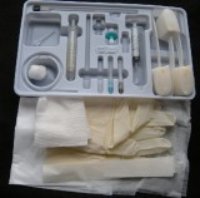 In the case of upper or lower extremity surgery, a pneumatic tourniquet is often used. This tourniquet functions much like a blood pressure cuff, only the tourniquet remains inflated throughout the duration of the surgical procedure.

"We hope you enjoy your journey through Bone and Joint Pain.com"